To The Third and Fourth Generation
The sins of the father. It’s a saying heard in the church and preached from the pulpit from time to time but do we really know what it means? Well, yes. I believe everyone knows exactly what this is and how it has affected them to their cores.
Now, let me first clarify that I am not blaming fathers or parents in any way. This is not an attack on them for how they raised us or what they did. The “sins of the father” is much bigger than that and has affected our parents just as it affected theirs.
So, where does this start? Let’s start at its source, the Bible.
Numbers 14:18 - “The Lord is slow to anger and abounding in steadfast love, forgiving iniquity and transgression, but he will by no means clear the guilty visiting the iniquity of the fathers on the children, to the third and fourth generation.”
Jeremiah 32:18 - “You show steadfast love to the thousands, but you repay the guilt of the fathers to their children after them, O great and mighty God, whose name is the Lord of hosts.”
And perhaps maybe most telling, John 9:1 - “As he passed by he saw a man born blind from birth. And his disciples asked him, “Rabbi, who sinned, this man or his parents, that he was born blind?” Jesus answered, “It was not that this man sinned, or his parents, but that the works of God might be displayed in him.”
The idea of the sins of the father came originally from the Old Testament. It’s the belief that the sins that you do get passed down through the generations, to the third and fourth.
That’s not entirely true as Jesus points out in the last passage. We are all accountable for our own sins however, there are cycles that can and will be repeated if actions don’t change.
Let’s take this out of church speak to elaborate further.
The cycle of poverty. Those in positions of privilege might not think poverty is a cycle, but it is. Think of the old adage, you can’t get a car without money but you can’t get money without a car. It’s the same idea.
Many in situations of poverty can’t break free because they live paycheck to paycheck. Everything they make goes to pay for the house, the car, the utilities, the wifi, clothes for the kids, school supplies, food. It gets to a point that people can’t do what makes them happy or what will be good for them, like take a vacation or only work a 40hr/5 day a week schedule because they have to pay for bills.
And this is under the assumption that they can even get a job. Sometimes poverty is so intense that people can’t afford to turn on the water to shower or buy a bus pass (if there’s reliable public transportation) or buy interview clothes or keep their cell phone turned on. If they can’t do those basic things - think to high school and Maslow’s hierarchy of needs - then no interviewer is going to want to see them.
If they can’t get a job or if they live on minimum wage and barely make ends meet, then what is their child going to do? The child will do a couple of things. They could get a job to help pay bills starting as young as 12. They could push their family away and join gangs who will take better care of them. They could dive into school putting all their hopes on getting a scholarship to get into college so they could have a better job and a better life than their parents.
Do you see where I’m going here?
The fact that these parents couldn’t get a high paying job isn’t a sin. It usually isn’t their fault at all - and I’m speaking from experience here. It’s usually a failing of society. Society in itself is not perfect. It fails its populace time and again because it’s made up of faulty humans.
These types of cycles are seen everywhere in every type of aspect of our lives. Part of getting healthier is noticing these cycles and trying to figure out how to break them.
Do we have a cycle residing in the spiritual? This can look like spiritual warfare or a failing relationship with God (or whatever god you believe in).
Do we have a cycle residing in the emotional? This can look like us pushing away all our friends and loved ones or depression or anxiety or using negative coping mechanisms in order to numb.
Do we have a cycle residing in the physical? Are we taking care of our bodies by getting enough sleep, enough water or do we listen to our doctors. Do we go to the doctor at all? Do we even listen to what our bodies are telling us?
Do we have a cycle residing in the economic? How do we take care of our finances? What does our job look like and if we’re unhappy, why is that and how can we change that.
These and many more are all attributes to how we live and how we perceive the world. And as you pull it a part you can start to see how your actions and emotions do affect those around you.
In trying to become healthier human beings we start to break the cycle of the sin of the father, thus protecting our children further down the line.
Perhaps creating new habits that will last to the third and fourth generation.
Are You a Toxic Christian?
The word toxic is thrown around almost too casually today. It’s used in places to mean bad or not great or as a warning to stay away. Stay away from a particular person, place, or thing. That’s not entirely wrong but let’s not belittle this word by using it casually.
Casually using words and phrases when they need and should hold more weight is a discussion for another time.
The Webster’s definition of toxic is poisonous or being very harmful or unpleasant way in a that’s pervasive or insidious. This is more than just bad. It’s really bad. For the longest time it was always depicted as toxic chemicals or a toxic waste dump.
What does this mean? When we use the word toxic in relation to a person or relationship we mean that it is eating us away. It is killing us. Eating away at our mental, emotional, and spiritual health until there’s nothing left. Or until we’ve become something entirely different that we ourselves don’t recognize. Just think of all the comic book stories that start at toxic waste facilities.
So what is toxic Christianity? Let’s look at something similar, toxic positivity.
These two often go hand in hand with each other. When we engage in toxic positivity, we brush past what’s really going on. We smile through the pain and say everything is fine. We stay friends with people who’ve hurt us instead of talking to them and working past issues.
On the outside, toxic positivity seems like a good thing. It seems like the person is happy and that life is good. But, you quickly realize that person can’t reach the deeper emotions of pain, hurt, and anger because those are big and all-consuming and downright scary. So, it feels right to stay up where everything is happy. It feels like the only way you can cope with life is to smile past the pain.
But, toxic positivity brushes over what we’re actually feeling. It ignores our emotions. We dishonor and disrespect ourselves when ignore our emotions. When we smile and say, “everything’s fine, how are you?“ Or when we complain to someone about a friend and the moment that person walks through the door we give them a hug and act like nothing’s wrong.
Now, let’s be real for a second. Christians aren’t special. Yes, the Bible says that we are a chosen priesthood, called out by God. But that does not mean Christians are better than another person. No human is innately better than another.
We all struggle with the same shit. We all live in the same world with the same problems. Sure, where you live and what government you live under will vary what kind of problems you have but we, as humans, are the same at our core. We all have the same emotions and desire the same things - community, love, a purpose, connection, to be understood.
So, what is toxic Christianity?
It’s often preached from pulpit. Think about when there’s a death. Christians brush over grief by saying, “It’s ok, we’ll see them again.” Or when life gets hard financially or if you lose your job, Christians will say, “Yeah, but you should be grateful for what you do have.” Count your blessings. Think about the good things that you have. Keep your mind on the positive. Or even, yeah you sinned, don’t let temptation happen again and you’ll be fine. Keep yourself from all temptation and the devil will flee.
That’s not how life works though. That’s not how emotions work. That’s not how people work.
Christians can’t just put on a happy face and act like everything is ok. They can’t brush past the hurt in their life or in others. We were called to support each other, to live in community. And to do that means being real. It means being authentic.
Now, to be authentic means you gotta be honest with yourself. You have to have a level of self worth to step back and assess where you’re at. You can’t run and hide from yourself because at the end of the day, you’re the one that has to live with every part of you. After a while you have to stop numbing, stop lying, stop trying to show everybody the best face because that face is really your worst.
No one wants to see someone happy all the time. They respect those that can be real. That can take a step back and say, “hey I’m not doing well. I struggle with all this stuff and I can’t do it anymore.” That’s the face people want to see. They want the honest Christian who will own up to the fact that they said something racist, sexist, bigoted and are genuinely sorry.
Part of apologies is making a change in your actions. Which the study behind an apology and how to actually do it is for another time. Right now, let’s just focus on not being a shitty Christian.
Jesus often called out Pharisees for not doing what the scriptures said. They held to laws but made no changes in their heart. Most Christians today are Pharisees. They listen to the laws of the Bible. They don’t steal, murder, or cheat but they certainly hold all the emotional aspects of those things in their hearts.
Jesus would hate the Christians of today because they’re two faced and unable to change their ways due to pride.
The best way to change this? Take a step back. All of this starts in the heart. It starts with knowing who you are in God’s eyes. That He doesn’t hate you. That He doesn’t see you as a terrible person. But that God loves you for you. Once you know your actual worth and start to reconnect with your body, mind, emotions, and soul - you will become the person God designed.
And you’ll be a better Christian, and simply, a better human.
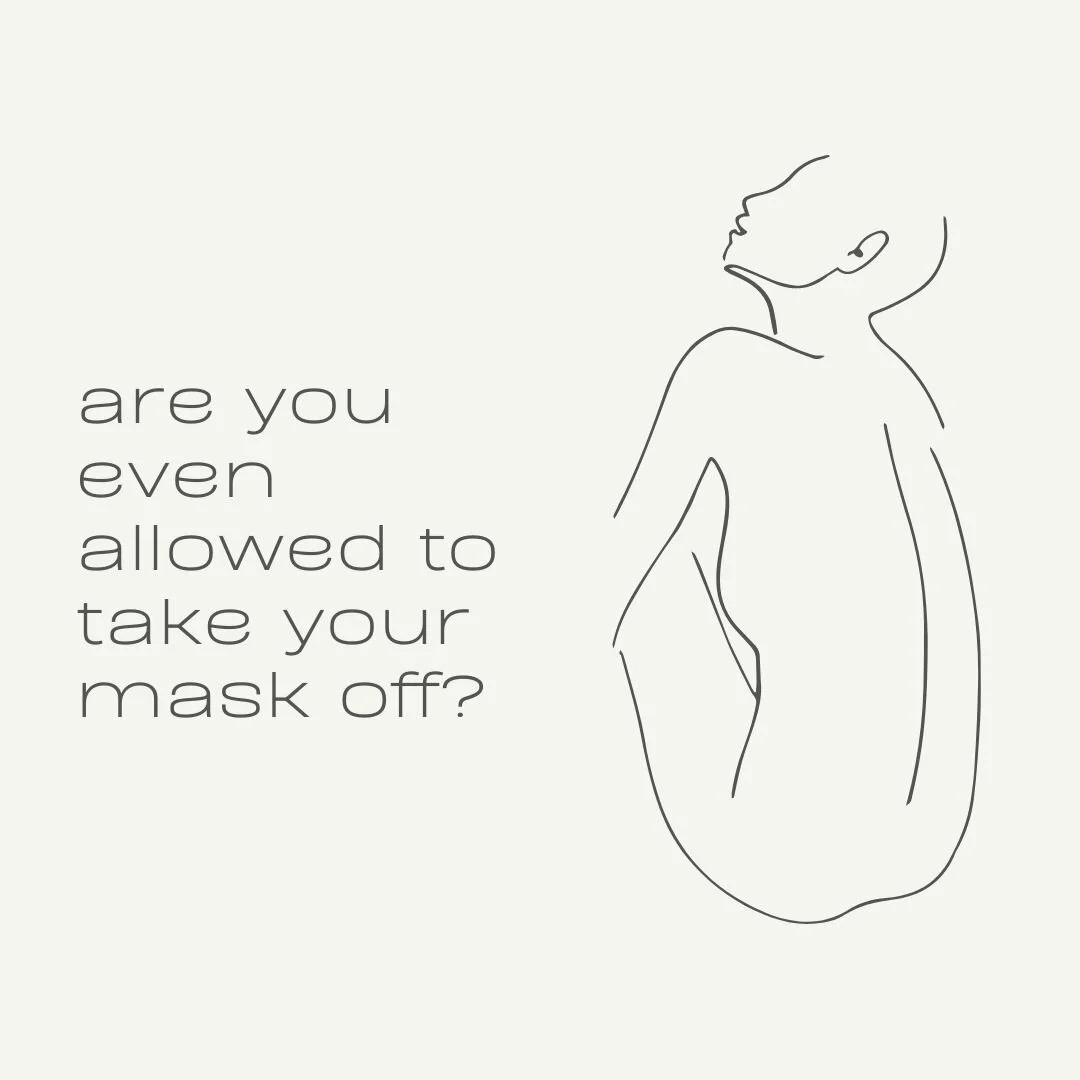
When it’s Not Ok to Wear a Mask

Masks. There are some famous ones out there: the Phantom, the Iron Mask, Jim Carrey’s The Mask. Perhaps the most famous that not enough people talk about is the one perpetuated by the church.
Now hang with me here.
As a church body we are supposed to welcome all the hurt and lost however the most hurt and lost ones tend to be those already in the building. But, we don’t address that issue. We don’t like to acknowledge it.
After all, we’re the chosen people. God’s people. We can’t be screw ups like the rest of the world. We have to be perfect like Jesus was perfect. That’s what he called us to be so we have to be it.
Gag me with a spoon.
Week after week people walk into the church hiding what’s actually going on in their lives just so they can smile, sing a few songs, feel something, then leave. I’ve done it. I’ve known many people that have also done it.
Your life could be falling apart but you take a deep breath, wipe tears from your eyes, and walk into the building anyway. It’s like the only acceptable tears to cry in the building are those brought on by the Spirit of God.
Here’s the thing, when we do this we ignore our feelings as well as the validity of the church. The church is supposed to be the one place where we can go when we’re broken and hurting. It’s supposed to be the place we can go where we don’t have to wear a mask.
If we take a look at the Bible and the teachings of Jesus we find that he cares about how we’re doing, how we’re feeling, our emotions, and our heart. But at church we aren’t allowed, or given the space, for those things.
Now, don’t get me wrong, this isn’t the case in all churches. There are many that hold space and have communities that lift each other up. But not always. Putting on masks to pretend we’re fine so we can help those “less fortunate” than ourselves is a trend I have witnessed in my own church, in the generations above me, as well as with my friends.
So, really, why do we keep doing this? Why do we keep rejecting ourselves all in the name of Christianity?
I think there’s a few reasons, and you can disagree with me if you’d like.
One, Christianity has a core belief of helping those who are below us. That kind of mentality immediately creates this I’m better than you dynamic.
Which we could break down even further and go all political, but let’s not do that right now.
Two, the other side of this belief is being a servant to everyone, especially those in positions of power above you. This mentality can produce the idea that you are lesser and everyone is better than you are.
Three, on a whole, we aren’t good with emotions. Millennials and Gen Zers are paving the way to start talking about them and creating space but, this is new. Vulnerability in social circles is rare. It’s really only kept to family, if your family does that sort of thing, and therapy.
Now these beliefs are good. They’re taught by Jesus and shown through his example that we can live a healthy life doing both - which is really only one belief. The catch is that we’re never supposed to neglect ourselves. That’s not an idea that is taught in the Bible.
We are supposed to care about ourselves. We’re supposed to love our bodies, our minds, our hearts. Yet we reject those things in self-flagellation and self-hate because we think we don’t matter. The church tells us other people matter more so we try to reflect that.
There are other reasons to hide who we are in a community that’s supposed to love us unconditionally. Things like we were taught love comes with conditions so how can we ever imagine a God that doesn’t have them. Things like society tells us we don’t matter because of our looks, our gender, our beliefs and if the church also spews similar speech then how can we ever trust them. Or even something simple like there’s too much shit happening and you just want some sense of normalcy in a place you can trust that’s not going to be different and is going to feel safe.
Whatever the reason the fact remains the same. We put on masks in order to hide our true selves in a place and around people that should and would accept us for who we are no matter what. To let that mask come off and reveal who we really are takes a lot of strength.
Sometimes not even we know what’s underneath and that can be terrifying. That thought alone can make us not want to remove our masks.
It’s not ok that the church perpetuates this idea that to be Christian means we have to be smiling and happy all the time. That we have to greet everyone with a handshake and a hug.
It is ok to be depressed, to be lonely, to be hurt, to be broken and think the world is going to shit whether you sit in a pew or on a curb.

let’s call out: PURITY

There was a game my friends and I played once, you can actually find it online, it’s a purity test. Through it you tick off all the things you have done and at the end it tells you how pure you are out of 100. Some of my friends had high numbers like 98 and others were lower in the 40s. None of us really knew what to do with these scores except laugh about it. Those who had lower numbers seemed a little off - like they were unclean and not as “good” as the rest of the group. I managed to lower my score by 20 points over the next two months and was kinda proud about that - for a time.
Here’s the thing, purity isn’t based on a score. It’s not about what you didn’t do or the so-called terrible things you did do. Often we think of purity going hand in hand with statements like:
Say no to sex because you’ll get STI’s and die. Say no to drugs and alcohol because you will get addicted. Say no theft because it’s wrong. Say no to…..you fill in the blank.
When we start these thoughts with “no” statements we immediately put ourselves into a poverty mindset. We were never made to be in poverty. I’m not talking about financial poverty - I’m talking about emotional, mental, spiritual, physical poverty. God did not create us for poverty. He created us for life in abundance.
So, let’s flip the script.
Purity is about what you say “yes” to.
If you say yes to abstinence - that is saying yes to your values, your body, your partner, whatever reasons you have to be abstinent. If you say yes to sex before marriage - that is saying yes to your values, your body, your partner, and the other reasons you may have. Both viewpoints have varying different reasons as to why to engage in them and those reasons are your own.
Yes, I have opinions on this topic and I’m sure you’ll hear my take on it later on as I had to question why I was abstinent and then why I stopped. Some of those reasons start here - with a new purity mindset.
I am no longer under poverty where everything I do will cause me to end in the gutter but instead I question where my beliefs and morals came from and what is actually good for me. In that, how can I move forward in freedom and new life.
It’s about taking my emotional, mental, physical, and spiritual health into consideration before acting on impulse. To say, I value myself so, is this good for me right now or not? In asking those hard questions, and not holding back, I can start to see where I stand and why. It’s not easy and often I fall back into old ways but as I shift my mentality towards real purity, it gets easier.
I hope you too can start to take on this new mindset and really question your actions, not seeing them as detrimental - or if they are, find out why and how to reverse it - and start stepping into a life of freedom.
You were created to be pure and whole. You were not created to live in darkness, in the gutters of life, or in poverty.

let’s call out: CONTROL

I’m gonna say it. Everyone has a control issue.
It may be under the guise of people pleasing, finances, communication differences, relationships with friends/family/partners, spiritual differences and hierarchies in and out of the church, or leadership roles you may find yourself in.
Control is everywhere and it’s not always a bad thing. It’s good to have control of our lives. To know where our money is going by creating a budget. To be aware of our bodies with what we eat and how much, how we exercise and what activities we partake in whether it be alcohol, parties, caffeine, sex, binge watching Netflix - and in that knowing how much and how often we do it.
Control can be good. We are instructed by doctors, parents, even God himself to take control of our bodies, minds, tongues, and lives.
But everyone knows, or can name someone, who abuses control. Someone who manipulates to control how others see them. Who drinks too much to control the pain they feel on a daily basis. Who dates the wrong men, doing anything the man wants to control their need for self worth. Who’s a workaholic to control their image of self worth and their finances.
But this isn’t actually control. It’s a loss of it.
It’s forgetting who you are as you dive into work, food, exercise, numbing substances, other people attempting to regain control of how you see yourself, how you feel about yourself, and how others perceive you.
Here’s the thing, if you didn’t already know it, your worth is not tied to who you know or what you can do for yourself or others. That’s not how that works.
You are worthy because you exist. Because there is a God who created you and who loves you no matter what you’ve done or what you could do.
And I get it. I really do.
I love control.
I love thinking I have my whole life ticking like clock. Each nut and bolt placed perfectly as I want them, but they’re not. My life is like legos scattered on the floor with the directions in a language can’t read - at best. That doesn’t mean I’m not valuable or worthy. That doesn’t mean my life won’t work out the way it should.
Even that’s a discussion on its own - there are many times when we think something should happen a certain way and when it doesn’t, we get mad. That doesn’t mean it didn’t happen. It just didn’t happen exactly how we thought it would. And that’s ok.
In this crazy life I have tried doing things on my own, based on my own strength. Applying for jobs - trying to make the right connections - forcing that job to happen. I’ve walked into relationships - romantic and friendship - clinging to them, hoping they would never leave me and losing my identity in those relationships. I have let the church indoctrinate me, tell me what to believe without actually questioning or taking a step back.
I lose myself when I force control. But in letting go, in doing the work but not forcing it. In feeling not numbing. In trusting that God has my back - which is still so difficult - life becomes easier.
Control steps back to where it should be and I’m able to see what I can control and what I can’t. And that, eases stress and gives peace.
There will still be hard days but things get better when you realign your life and know where your worth comes from.
let’s call out: FANTASY
I have this problem - and maybe you can relate to it - I often dream and wish about a life that isn’t mine. I fantasize about relationships, jobs, happiness, or just about who I want to be.
Fantasy has led me down dark paths. It led me into abusive relationships because I couldn’t see the guy for who he actually was. I clung to the fantasy he projected, wishing it was real. At times, I still do.
It has led me into depression and anxiety. I don’t like my life as it is. I thought I would be married by now. I thought I would be further in my career. I have an image of what I want my life to look like and the more I’m faced with reality, I have to admit that those things aren’t going to happen - at least not exactly as I’ve imagined them.
Fantasy has killed many of my relationships, my happiness, my loves and I don’t know how to escape it.
This isn’t a post where I tell you how to overcome a problem. This is a post where I’m admitting I have a one and I’m stuck.
Fantasy is comfortable for me. I’m a storyteller. I write fantasy fiction for a living. I’m really good at telling myself a story about me or another person and believing it. I don’t like reality. Reality is harsh. It’s brutal. It shows all the nastiness of people in a blinding fluorescent light. I’d rather let life stay in soft candle light.
But that’s not how life works. And knowing that hurts. It’s like a gut punch. A knife twisting in my chest.
I don’t know how to accept life for the way it is. I barely know to grieve.
If letting go of the fantasy of life or even the fantasy of people is anything like grief, the only way to accept life and people for who they are is to turn on that light. Accept things for the way they are, grieve what needs to be, and move on.
But, dammit, that’s so hard to do.
I don’t know about you, but I’m tired.
I’m so tired of creating a world that doesn’t exist. Of trying to fit in to everyone else’s worlds that don’t exist either. Of hoping for a life that won’t even come and getting let down. Of expecting too much from myself and being disappointed when I don’t meet my own unrealistic expectations. Of expecting so much of people - hoping they’ll reach their potential - and seeing they can’t. They’re not there yet. So, I watch them hurt themselves and others.
I’m tired.
Life is hard enough. I don’t want to continue in this way.
So, I’m done.
let’s call out: GRIEF
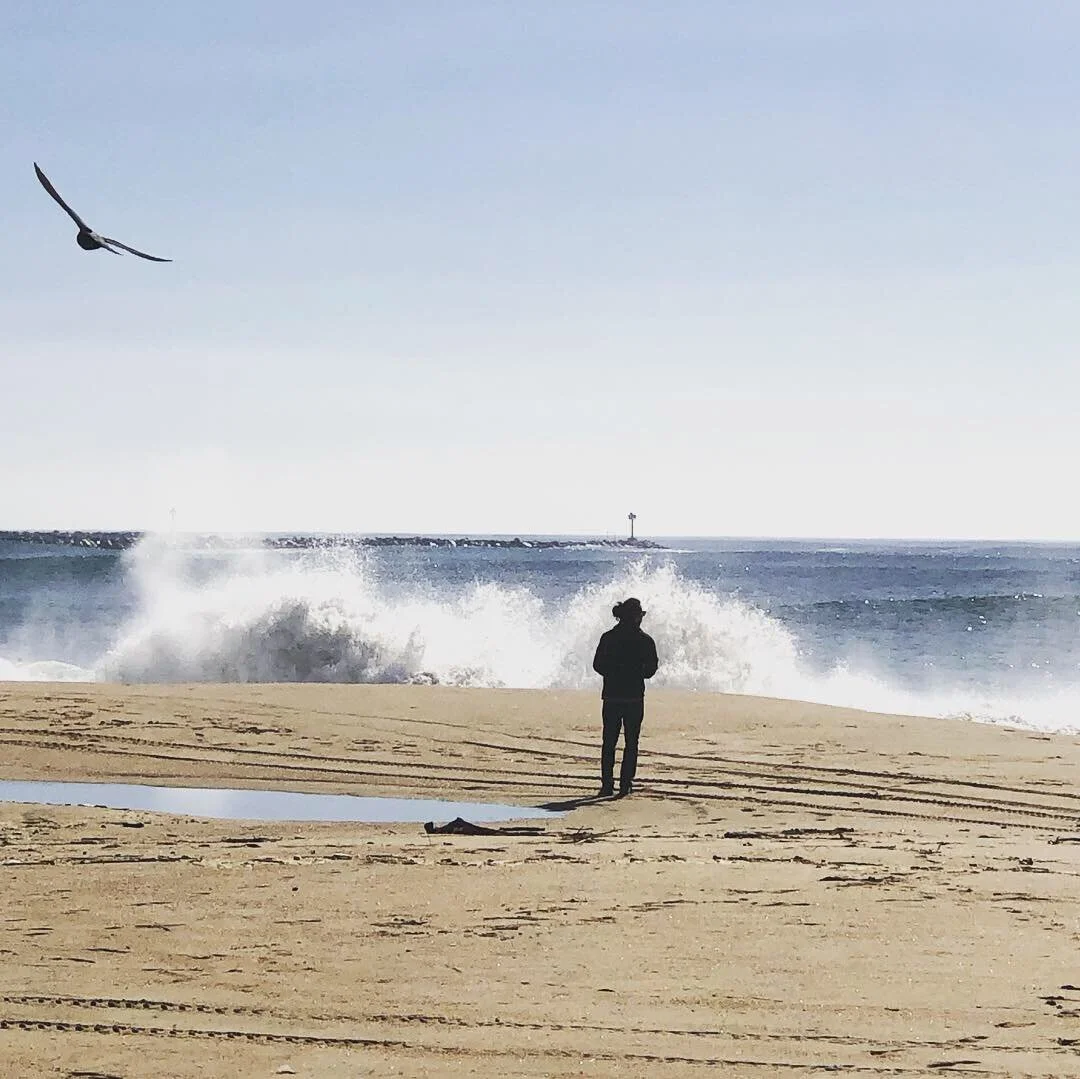
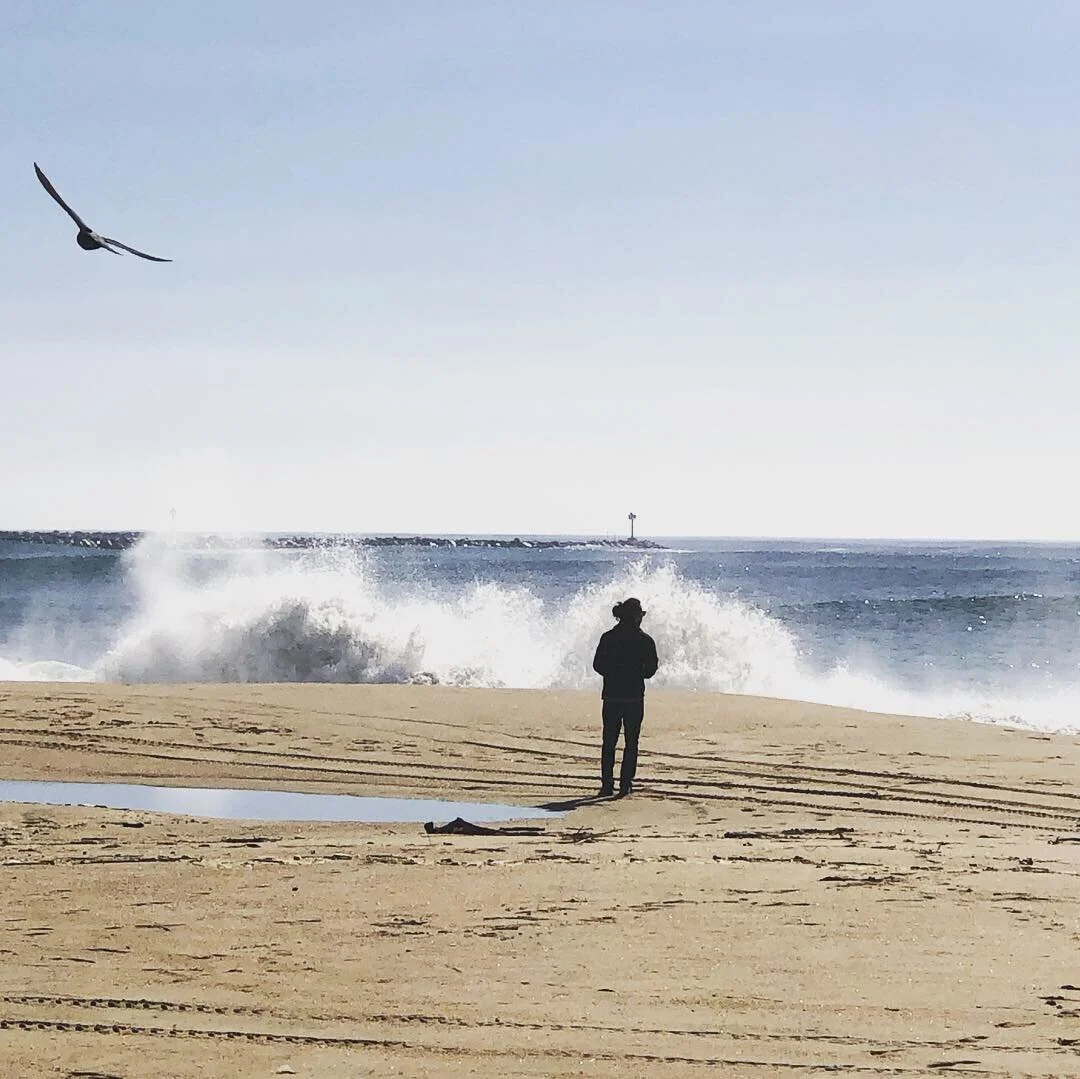
Here’s what most people don’t know about me and what I don’t like admitting, I’ve been grieving for almost a year and a half. The reasons why don’t matter but the fact is, it’s happening. I can’t snap my fingers to get out of it or wish it away, no matter how badly I want to. And even though I’ve been talking about acceptance and letting go, which is the last stages of grief, it’s not over yet.
Last week I wrote about acceptance. Two days later I was sobbing on my couch trying to bargain with myself and figure out where I went wrong.
Everyone knows about grief. It’s shown in movies and books and tv shows. You can google the steps, go to therapy, hear all the cliche lines about it not being a straightforward process. But until you experience it, grief won’t make sense. At least it didn’t to me.
One of the major things I’ve discovered through all this is that emotions are good - even the ones we don’t like. God made us to have emotions, He gave us anger and sadness and bitterness and hurt and happiness and joy. He did that not to hurt us or to put us in torment on earth. He did it so we can feel the depth of our souls and in that connect to Him.
I have never been more angry than what I have been over this past year and if you know me, you know I’m not an angry person. Through that anger I’ve learned that God wants me to yell at him. He wants me to direct my anger at Him - to lay my pain down at His feet and say, “I can’t do this anymore.”
The god of christian church that I grew up knowing was a god who would see that pain and wipe it away. He would see that anger and sadness and hurt and would say, “it’s mine you don’t have to deal with it anymore.” It would be gone and I would be happy as if nothing had ever happened. I was mad that God wasn’t doing that for me.
But the God that I have come to know through all of this says, “thank you for sharing this pain with me. You don’t have to carry this weight anymore, I’ve got it.” But, He doesn’t magically take it away. He lets me feel it because in feeling it there are lessons about love, friendship, trust, and my weaknesses that He’s teaching me and strengthening me in.
God has given us these painful emotions - emotions we often want to shove away or numb to not feel using various tactics (trust me I’ve done both) - so that we can learn how to grow. In emotion there is truth and there is life.
Now, please hear me as I say this, emotion isn’t all we should dictate life by. I’m one who loves facts and knowledge. I often put them over everything else but it’s in emotion where people’s hearts exist. You can have all the facts you want but, what is your heart saying?
Is it grieving? Let it cry. Let it shout. Is it happy? Let it dance. Let it laugh. Is it lonely? Let it seek friends. Let it reach out for others.
We were built to acknowledge all parts of ourselves - the head, the heart, and the soul - if one of those things is lacking, wrong decisions will be made. But that’s ok if you take accountability and learn from them, it’s part of growing.
So, sticking with cliches - the only way through it is to feel it. All of this is a process, it’s messy and often doesn’t make sense. It’s ok if one day you get knocked back by a wave - you did not erase your progress. This is grief and you are brave, courageous, and strong for doing the work of healing. The journey is long and hard but it will be the best work of your life.
let’s call out: ACCEPTANCE
But without my trauma I’ll no longer be funny. But the things of my past are what make up me. Who will I be without them? I can’t let them go.
Those are the thoughts that immediately come to mind when I think about letting go of my past, forgiving myself and the others involved, and moving forward. So much of who I am or of who others are, is made up of the shit we’ve done wrong. Of the fantasies we’ve created, our low self worth, our mistakes, and repeated cycles of self sabotage and trauma. There’s so much that we don’t know what it’s like to live without it.
And let’s be honest, we don’t really want to live without it.
I’m so used to men treating me like crap, so used to living a life of anxiety and depression, so used to self sabotage, so used to the gunk that fills my head and heart - it’s comfortable. I know how to live in it. It’s not the best life, I know this, but I know how to survive it. I know how to handle it.
There are so many people I know who also live this way. They know the life they live is pretty shitty but it’s comfortable because they’re used to it. They know how to deal with it. Better to live with the demon you know than the one you don’t, right?
But here’s the thing, we weren’t designed to live with demons.
Last week I talked about letting go and the process of letting go is a daily task. It’s getting up every day and forgiving yourself of your past. It’s handing over your hurts and sins to a God who loves you more than you could ever love yourself. It’s moving forward. But, it’s fucking terrifying.
Seriously think about it, what happens when you say, “ok I’m done with all this. I don’t want to live this way, think about this person, or have this past anymore. God, take it from me.” And you really mean it. And He actually takes it from you. And it’s gone. Just like that.
For me, I freaked out. I wanted it back. I defined my life by those men, those events, that trauma. I felt empty.
Often letting go feels like that but, acceptance is a filling up. It’s recognizing there’s more to you than what your past says of you. If and when you listen to God, He tells you what you’re worth. He starts to call you different names and gives you a different purpose. You no longer have those holes. That emptiness is gone.
Acceptance, like letting go, is a daily task where you look at yourself and see what happened to you for all that it was - good and bad. Removing any filters, veils, facades that may have been on it. In doing so, you learn to love yourself as you are - good and bad.
And in that, there’s beauty.

let’s call out: FEAR

It has taken me weeks to figure out how to say what needs to be said, that’s because there is so much to this one.
Fear permeates everything in life. Sometimes fear is good - it propels us forward so we can accomplish tasks we never thought we would. Moving us in directions of growth. Sometimes it does the exact opposite.
We can see this in the US, especially over these last few weeks, as fear and anxiety melted together with hate and righteousness. That can be a deadly combination and it almost was.
I’ve seen fear play out in my own life within relationships. Fear keeps people from acknowledging problems in order to fix them, it keeps them from taking a leap of faith when they wanted to be more open with friends and loved ones. I’ve even seen it propel people to reach a goal they never thought they could before - to start a business, start a relationship, have children, go to therapy.
Fear can be good and it can be bad. The one I want to focus on is the fear that keeps us from moving in the direction of growth. It’s the fear that kicks our instincts in - flee, fight, fawn, or freeze.
The first step in conquering this fear - and you can conquer it - is to recognize it when it exists. Fear will always exist but you can go to war against it. You can say no more will I let it control me or dictate my life. When you do that, you will see fear clearly for what it is.
Fear is a small man who blows himself up like a balloon and stomps around. He throws things, whispers threats in your ear, avoids your gaze, refuses to acknowledge truth but instead points out all the things that could go wrong. And you believe him. I’ve believed him. But he has no power over you if you don’t want it.
As Nelson Mandela once said, “courage is not the absence of fear but the triumph over it. The brave man is not he who does not feel afraid, but he who conquers that fear.”
This means, courage is when you recognize your fear and still walk toward it. You are able to recognize why you are scared. You process that in a healthy way and you move toward the thing that scares you.
This also doesn’t not mean you should return to an abusive relationship just because you are scared of it. There is a difference in recognizing your boundaries, knowing when a relationship (whether it’s a job or friendship or romantic relationship) is toxic, and saying I can’t go back there.
That’s not fear.
It is brave to process trauma and toxic relationships. Fear exists when you have to look inside and ask yourself why and how you got into that position and how you cannot end up there again.
That’s terrifying.
Trust me, I’m there right now. It’s so scary to see the messy and awful part of yourself and say this is me but I don’t want it to be me forever.
It is brave to work on yourself and your relationships. You are brave if you are taking on this task.
Fear can be quelled. It can be conquered. You don’t have to live in fear and let it control you if you don’t want it. Start here, start today and say no more.